
Article: What should you consider when choosing a perfume?

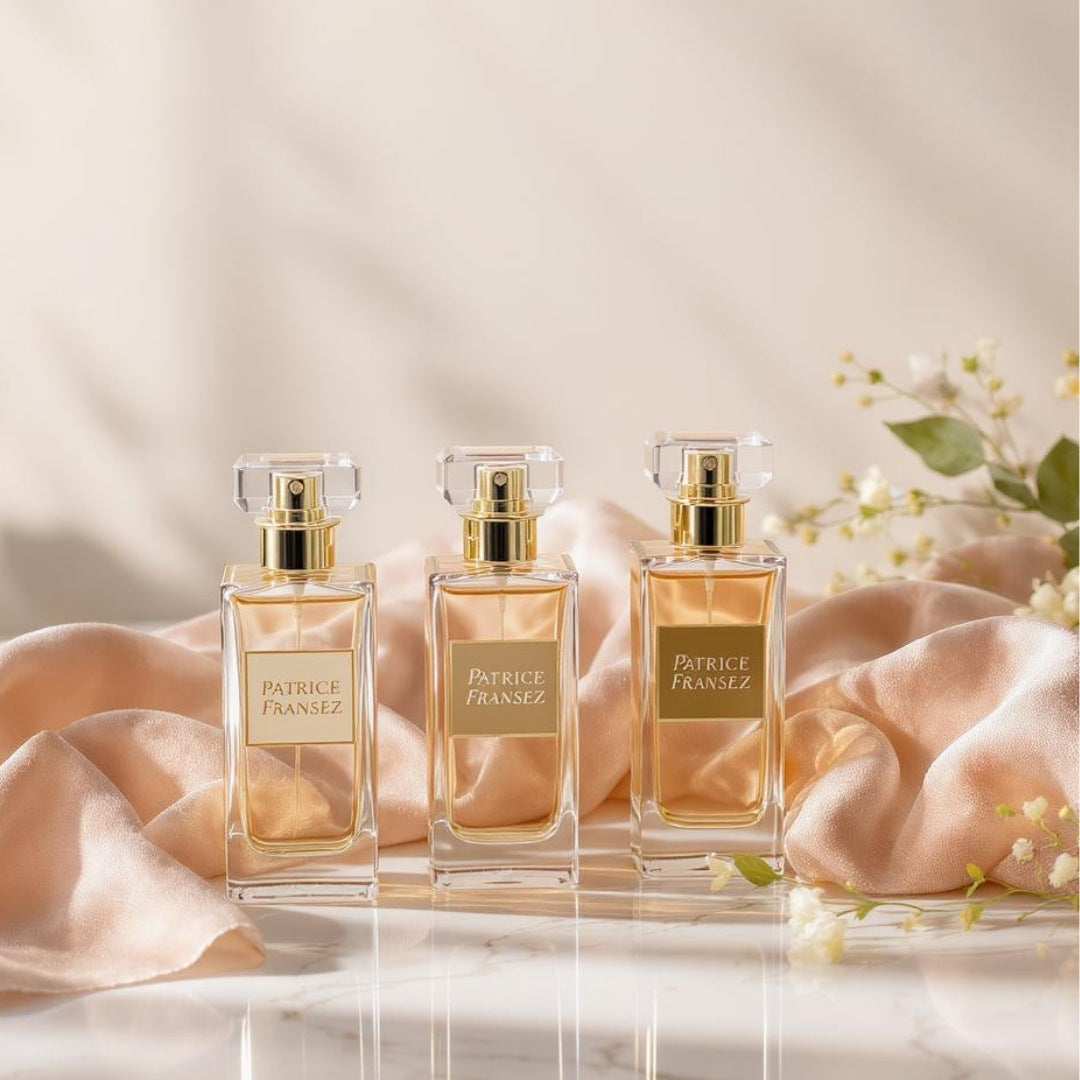
What should you consider when choosing a perfume?
A perfume is more than just a fragrance: it is an extension of your personality, a subtle signature you leave behind in a room. In Belgium, where refinement and originality are highly valued, choosing the right perfume deserves special attention. Below are some tips to help you in your search.
1. Determine the occasion
Everyday use: Choose lighter, fresh fragrances such as citrus or green notes.
Evening or special occasions: Opt for richer, more intense fragrances such as oriental accords.
Work or office: Neutral fragrances with soft floral or woody notes are ideal.
2. Know your skin type and pH
Every skin is different. Your skin chemistry influences how a fragrance develops:
Dry skin: Fragrances fade more quickly; consider higher concentrations (Eau de Parfum or parfum).
Oily skin: Fragrances tend to smell more intense and last longer.
3. Explore the fragrance families
Citrus & fresh: Perfect for an energetic start to the day.
Floral: Romantic and feminine, from rose to jasmine.
Chypre: Earthy and green, with mossy and fruity notes.
Oriental: Warm and sensual, with vanilla, amber and spices.
Woody: Strong and masculine, with sandalwood, cedar and patchouli.
4. Pay attention to concentration
Parfum (Extrait de Parfum): The highest concentration and exceptionally long-lasting.
Eau de Parfum (EdP): Popular, with a good balance between price and performance.
Eau de Toilette (EdT): Lighter and requires more frequent reapplication.
Eau de Cologne (EdC): Very fresh, with the shortest longevity.
5. Always test on your skin
Spray the fragrance on your wrist or inner arm.
Allow the fragrance to develop through its top, heart and base notes – give it at least 30–60 minutes.
Walk around the store for a while or let the perfume settle: a fragrance can smell different as it develops.
6. Consider the season and weather
Spring & summer: Choose fresh, airy fragrances (citrus, aquatic).
Autumn & winter: Opt for warming, richer accords (resins, spices, woods).
7. Consider sillage and longevity
Sillage: How far the fragrance projects. Do you prefer a subtle trail or a stronger, lasting presence?
Longevity: Check reviews or ask for advice at a perfumery about how long the fragrance lasts on your skin.
8. Budget and brand image
Luxury houses often create high-quality perfumes, but niche brands can also offer surprising hidden gems.
Compare testers and miniatures before investing in a full-size bottle.
9. Your personal preference
Do not let trends or other people's advice influence you too much. Trust your own nose:
Choose a fragrance that makes you feel comfortable and confident.
Explore the stories behind perfume brands: the inspiration is often just as fascinating as the fragrance itself.
Conclusion
Choosing a perfume is a personal journey of discovery. By considering the occasion, your skin type, fragrance family, concentration and personal preferences, you can find the fragrance that truly suits you. Enjoy discovering, testing and, above all, wearing your new signature scent!

Written by Refik Kaya