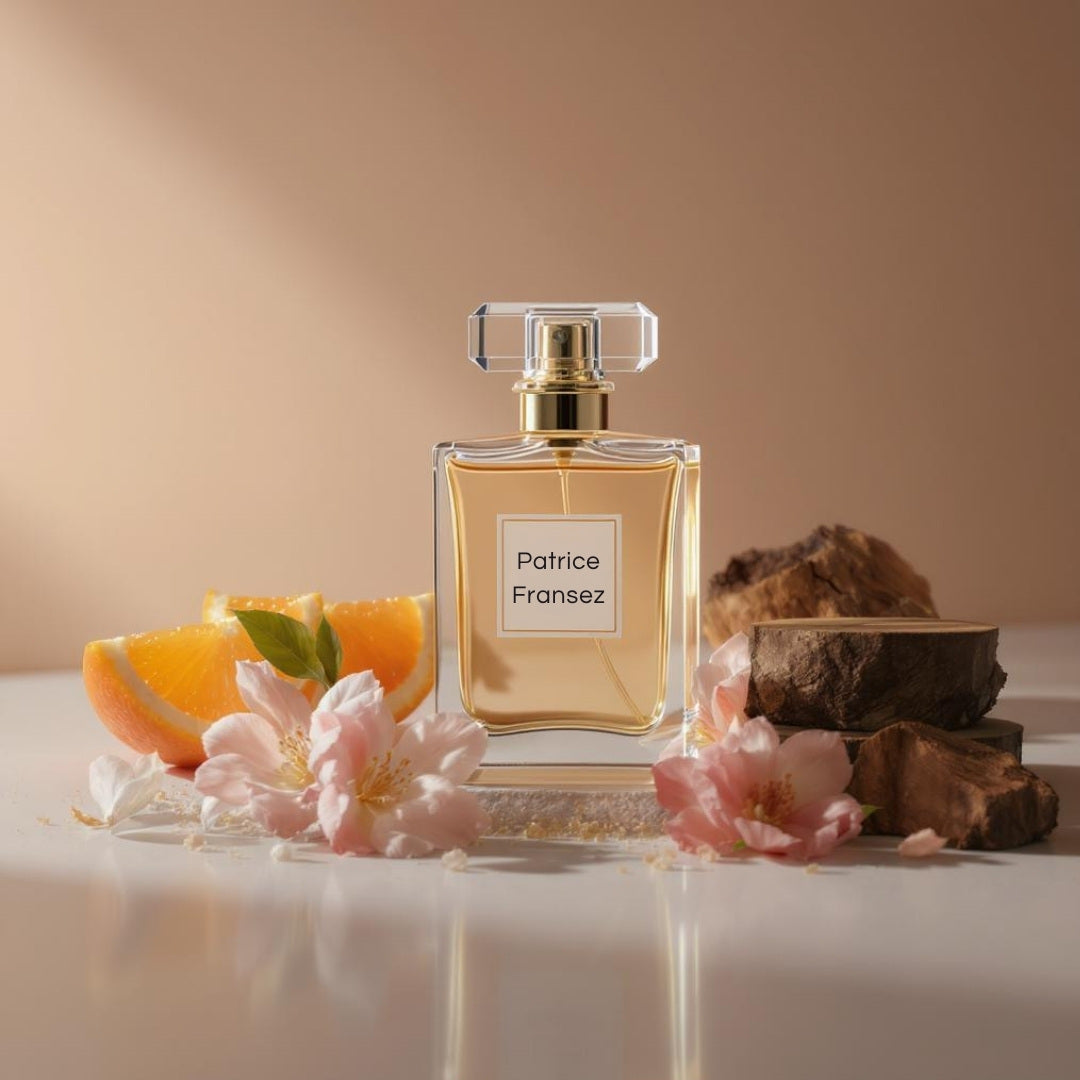
Article: THE ART OF FRAGRANCE NOTES
THE ART OF FRAGRANCE NOTES
Perfume is much more than just a fragrance.
It is a work of art composed of carefully
selected ingredients that come together to tell a story.
What are fragrance notes?
A perfume is typically composed of three main groups of notes, known as top, heart and base notes:
Top notes:
Definition: The fresh, volatile scents you notice first when the perfume is sprayed.
Examples: Citrus (bergamot, lemon), green notes (basil, mint), light fruity notes (cherry, peach).
Duration: 5–15 minutes. They immediately spark curiosity and set the first impression of the fragrance.
Heart notes:
Definition: The “heart” of the perfume, which defines its unique character.
Examples: Flowers (jasmine, rose), spices (nutmeg, cinnamon), soft fruity notes (violet, apple).
Duration: 2–4 hours. They connect the fresh top notes with the rich base.
Base notes:
Definition: The warm, long-lasting scents that remain noticeable on your skin for hours.
Examples: Woods (cedar, sandalwood), resinous and sweet notes (vanilla, tonka bean), musk and amber.
Duration: 6–24+ hours. They give the fragrance depth and sensuality.
Why are fragrance notes important?
Layering: Just as a symphony blends multiple instruments, fragrance notes create harmony. Top notes attract attention, heart notes develop the fragrance further, and base notes create a lasting impression.
Personal experience: Your skin chemistry can determine which notes stand out most strongly. Two perfume lovers can experience the same fragrance differently!
Seasonal choice: Light top notes feel fresh in summer, while rich base notes provide warmth during colder days.
How can you recognize the different notes?
Experience the perfume in stages
Spray the perfume on a fragrance strip or directly onto your wrist. Smell it after 30 seconds for the top notes, after 10 minutes for the heart notes and after an hour for the base.
Read the ingredient list
Many brands indicate on their packaging or website which fragrance notes are present. This helps you understand the composition more quickly.
Train your nose
Visit perfume shops and ask for small samples. Focus on one scent at a time: for example, try to become better at recognizing jasmine or sandalwood.
Practical tips for your perfume collection
Store your perfumes in a cool, dark place: Sunlight and heat can degrade fragrance components.
Combine layers (layering): Use matching body lotions or shower gels to enhance the fragrance notes.
Wear different fragrances for different occasions: Choose a light floral fragrance for the office and a warm woody scent for a romantic dinner.
Conclusion
By learning to distinguish and appreciate the top, heart and base notes in your perfume, you can get the most out of every drop. You discover not only the technical beauty behind the fragrance, but also the personal magic that makes your perfume unique. Start exploring: take the time to smell, compare and enjoy the secret language of fragrance notes.
Curious about your next signature scent? Let the world of perfumery inspire you and find the perfume that softly tells your story!

Written by Refik Kaya